
Kudzu Uses, Benefits & Dosage Drugs com Herbal Database
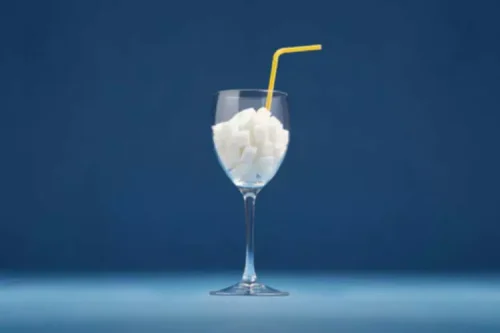
Alcoholism is a complex condition, and its treatment should not be taken lightly. While natural remedies like kudzu show promise, they are not a standalone solution. A comprehensive approach that includes medical supervision, counseling, and support is essential for addressing alcoholism effectively.
- Your doctor can evaluate your medical history, current health, and the severity of your alcoholism to provide personalized recommendations.
- For professional medical information on natural medicines, see Natural Medicines Comprehensive Database Professional Version.
A single dose of kudzu extract reduces alcohol consumption in a binge drinking paradigm
The reduction in drinking was evident rather quickly as it was apparent for the second through sixth beers and no kudzu-treated participant drank five or six beers, which suggests that binge drinking was curtailed. Our laboratory has been involved in assessing an extract of the kudzu root (Pueraria lobata) for its ability to reduce alcohol consumption in humans. In the first, kudzu extract was administered for 7 days and acute binge drinking was suppressed (Lukas et al., 2005). In the second, participants who were treated for 4 weeks with kudzu extract significantly reduced their alcohol consumption during weeks 2 through 4 of the study (Lukas et al., 2013). We have subsequently shown that puerarin is the major active isoflavone because 7 days treatment with this compound alone (1,200 mg/day) produced a similar reduction of binge drinking as the extract (Penetar et al., 2012). Given that a week of preplanning is unlikely before a binge drinking episode or opportunity, we built on our previous findings to explore in the present experiment if a single dose of kudzu extract taken shortly before a drinking session would reduce alcohol consumption.
- Any effect kudzu root extract may have on sleep is an important consideration for administration of this preparation as a potential medication to treat alcohol dependence.
- Kudzu can be taken in conjunction with other medications for alcoholism, but it is important to consult with a healthcare professional before combining treatments.
- Another study conducted in 2013, also by David M Penetar and his colleagues5, evaluated the efficacy and safety of kudzu extract in men and women who were not seeking treatment for alcohol addiction.
- Lukas and Lee hold a patent for kudzu extract to treat alcohol abuse and dependence.
- Kudzu is an ancient Chinese herbal supplement that is said to reduce alcohol cravings.
- Next, Dr. Lee contacted researchers at the Bowles Center for Alcohol Studies.
Kudzu cuts alcohol consumption
All tests were two-sided with significance level of 0.05 and were performed using SPSS software (version 19.0, IBM SPSS, Inc, Chicago, IL). Kudzu is an ancient Chinese herbal supplement that is said to reduce alcohol cravings. It is the only natural supplement that is recognized by the National Institute for Alcohol Abuse and Alcoholism. Several peer-reviewed studies demonstrated that supplementation with kudzu can lead to a decrease in alcohol consumption in individuals considered to be heavy alcohol consumers.
Can Antabuse for Alcohol Dependence Be Bought OTC?

Moderate drinkers were recruited from the community through advertisements in local and college newspapers as well as advertisements posted on bulletin boards in the Boston area. They also were assessed for, and were free of, any Axis I disorders Structured Clinical Interview for DSM-IV disorders,19 including drug and alcohol use disorders. Urine samples were qualitatively analyzed by HPLC for puerarin levels on a weekly basis starting on the second week of baseline and continuing through the two follow-up visits. Although blood samples were collected from all participants to examine the safety of kudzu, only the last 12 subjects had blood samples collected for quantitative analysis of puerarin levels.
- The BDI for the kudzu extract-treated participants was 1.78 ± 2.11 and 2.63 ± 2.50 at baseline and during treatment, respectively.
- To preserve the double-blind, kudzu and placebo capsules were repacked into #00 opaque capsules (Apothecary Products, Minneapolis, MN).
- However, if you want to cut down on drinking or detoxify your body during alcohol withdrawal, this plant may be able to help.
- Researchers found that the kudzu extract had no effect on alcohol cravings, but it reduced the number of weekly alcoholic drinks by 34–57% (2).
- It’s important to note that these studies used kudzu extract, which may have contained other parts of the kudzu plant besides the root.
- Role of Funding Source Funding for this study was provided by NIAAA grant R01-AA10536 to Dr. Lukas and NCCAM grant P01-AT to Dr. Lee.
Kudzu root, also called Japanese arrowroot, is native to China, Japan, and Korea. Today, kudzu grows in other parts of the world as well, including in the southern United States. And while it did contain the isoflavones that are thought to be the active ingredients, our volunteers had to take five pills each to achieve the desired level of 500mg.
Various studies have used single, one-time doses or daily doses for a week without reported adverse effects. It’s important to note that these studies used kudzu extract, which may have contained other parts of the kudzu plant besides the root. Thus, scientists need to do more research in this area on the effects of kudzu root specifically. Although https://ecosoberhouse.com/article/why-alcohol-makes-you-feel-hot-and-sweat-after-drinking/ there is no specific medicine to combat alcoholism or tobacco addition, through herbal medicine such as kudzu root extract, phytotherapy seeks to offer remedies for the problems caused by society’s excesses. Extracts of kudzu root have been used in Asia since around 600 AD to curb addiction and to improve the body’s overall wellbeing.

- A growing number of double-blind, peer-reviewed studies have confirmed the effectiveness of using kudzu for alcoholism.
- For this mechanism to be plausible, the more rapid penetration of alcohol into the brain would have to trigger a satiety mechanism rather quickly such that the desire for the next drink is delayed—thus interrupting a binge episode.
- This material is provided for educational purposes only and is not intended for medical advice, diagnosis or treatment.
- As expected, I didn’t really feel anything after taking it until I began drinking.
- The kudzu plant resembles poison ivy, so it’s important to know how to identify it correctly.
- Because riboflavin is cleared from the body quickly, fluorescing urine indicated compliance in the past 18–24 hours.
However, if you want to cut down on drinking or detoxify your body during alcohol withdrawal, this plant may be able to help. Lukas and Lee hold a patent for kudzu extract to treat alcohol kudzu to stop drinking abuse and dependence. McLean Hospital has licensed the production of kudzu extract (NPI-031) to Natural Pharmacia International (NPI), Inc. that markets it as Alkontrol-Herbal™.
Are energy drinks really bad for us?
We posited that the observed more rapid increase in blood alcohol levels may result in a faster entry of alcohol to the CNS and thus increase either the intensity or duration of the rewarding effects of the first drink resulting in a delay in the time to a subsequent drink. In fact, we reported that kudzu extract did just that and interrupted binge drinking (Lukas et al., 2005). This profile differs somewhat from that of kudzu extract and may represent a novel herbal compound that may be a therapeutic candidate. The present study provides further evidence that extracts of the kudzu root are effective in reducing alcohol consumption but unlike any other medication (other than disulfiram) it does so after a single dose was taken shortly before a binge drinking opportunity. And, contrary to disulfiram treatment, the drinking that did occur after kudzu administration did not result in any noxious side effects, increases in subjective ratings of nausea, uncomfortable, or feeling terrible.

Puerarin, one of the most abundant isoflavones in kudzu root extracts, is a known vasodilator and is approved for such use in China following coronary infarction and stroke (Wu et al., 2014). Another study conducted in 2013, also by David M Penetar and his colleagues5, evaluated the efficacy and safety of kudzu extract in men and women who were not seeking treatment for alcohol addiction. The study included around 4 weeks of treatment in which kudzu was administered with an isoflavone concentration of 250mg. No side effects or changes in vital signs, blood, renal or liver function were recorded. In addition, it did not disrupt sleep, as usually occurs with other hangover cures. However, kudzu extract significantly reduced the number of drinks consumed each week by 34-57%.